Showing posts with label Northwestern College. Show all posts

Tuesday, 18 August 2020

Strong Outlook for Radiology

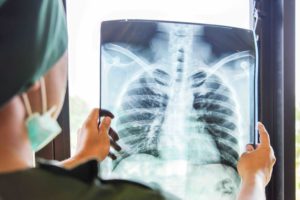
The job outlook for Radiologic Technologist is good. There are more than a quarter-million jobs in radiography today and forecasters predict many thousands more during the coming decade.

The U.S. Bureau of Labor Statistics (BLS) says opportunities for Radiographers will grow faster than the economy overall. The BLS predicts 9% growth for Radiologic Technologists, compared to a 5% growth for jobs across all categories.
That’s good news for those who are preparing for their careers. The demand for healthcare, even before the Coronavirus pandemic, has been high for years and experts say it will continue to grow for the foreseeable future. “As the baby-boom population grows older, there may be an increase in medical conditions, such as cancer and Alzheimer’s disease, which require imaging as a tool for making diagnoses,” according to Labor and Statistics’ Occupational Handbook. “Radiologic and MRI technologists will be needed to take the images.”

And there’s more good news. The Occupational Handbook also points out that positions for MRI Technologists — the highest-paying subset of Radiology Technologists — will grow even faster, at an 11% rate between now and 2028.

More than half of Radiologic Technologists work in public or private hospitals. The remaining positions are in diagnostic labs, clinics and individual doctors’ offices. Most Radiologic Techs work full-time during normal business hours. But with emergency rooms and urgent care clinics open around the clock, many technologists work weekends and evenings.

The first step toward this promising career field, of course, is obtaining the proper training.

“Technologists who graduate from accredited programs and those with multiple certifications will have the best job prospects,” the Bureau plainly states.
That’s where Northwestern College comes in. The radiography program from Northwestern College is accredited by the Joint Review Committee on Education in Radiologic Technology. Graduates earn an Associate of Applied Science degree in Radiologic Technology.

During their time at Northwestern College, students practice performing diagnostic imaging exams, learning how to take x-rays and working as a liaison between patients and their physicians. By graduation day, students are prepared to work as clinically competent, entry-level radiographers, skilled in effective communication and adept at problem-solving. Graduates know how to position patients, practice radiation safety and evaluate radiographic images.

The Radiologic Technology Degree program, like all programs at Northwestern College, offers flexible class times in an environment designed to emulate the working world. Students receive training on the same equipment currently in use in top medical facilities. Once they’ve earned their degree, graduates can receive advanced training in MRI, radiation therapy, nuclear medicine, cardiac catheterization, medical sonography, mammography and computed tomography.

Ready for the next step? Take a closer look here.

The post Strong Outlook for Radiology appeared first on Northwestern College.


from
https://nc.edu/strong-outlook-for-radiology/?utm_source=rss&utm_medium=rss&utm_campaign=strong-outlook-for-radiology

Friday, 17 July 2020

Keeping Dental Offices Safe

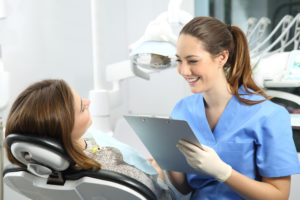
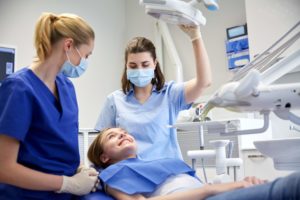
Dental Assistants are respected members of a dental office team. They share responsibility for ensuring patient and coworker safety. That’s always true, but especially now during a pandemic. As offices begin to reopen, dentists and their patients will rely on dental assistants to adhere to new guidelines from the Centers for Disease Control to prevent infection with COVID-19.

On a webpage labeled ​Guidance for Dental Settings​, the CDC offers continuously updated advice for oral health professionals. Epidemiologists recognize that a dental office is a unique work environment that requires specific steps to prevent the spread of infection. They have crafted their recommendations accordingly.

As of mid-May, the epidemiologists at the CDC had found no clusters of infection related to the dental setting. That’s another way of saying they haven’t found many cases that could be traced to a dental office. That’s good news. Following infection prevention protocols will be a crucial part of keeping it that way.

Infection prevention, according to the CDC guidelines, begins before the patient even arrives. It starts with a telephone health screen from the office. If a patient reports any COVID-related symptoms — fever, cough, shortness of breath, for example — the appointment should be postponed until the patient recovers.

The designated caller, which may be a Dental Assistant, should remind healthy patients to wear a mask when coming to the office, and to limit the number of persons they bring with them, in order to prevent crowded waiting rooms which could needlessly put people at risk of infection.

When the patient arrives, the office may opt to scan for temperatures over 100.4, a low-grade fever that is one of the virus’ first detectable symptoms. During the visit, the assistant will adhere to safety protocols under the supervision of the hygienist or dentist. When the visit is over, the CDC recommends asking the patient to inform the office if they come down with COVID-19 within two weeks of the office visit.

Many of us won’t begin our dental assisting careers in time to make use of all of these tips. But whether or not we need them a year from now, it’s a good reminder of how important it is to keep abreast of the latest developments.

That habit of keeping informed has been serving dental health professionals very well for generations. It will serve you well, too, if you choose a career in dental assisting.

It all starts with an education. Are you interested in building the foundation of knowledge that launches a rewarding lifelong journey of learning? ​Click here​ for more information on the Dental Assisting program offered at Northwestern College!

The post Keeping Dental Offices Safe appeared first on Northwestern College.


from
https://nc.edu/keeping-dental-offices-safe/?utm_source=rss&utm_medium=rss&utm_campaign=keeping-dental-offices-safe

Monday, 22 June 2020

Job Prospects Look Good for Dental Assistants

Prospects are good for qualified Dental Assistants entering the job market. And federal researchers say the career outlook for dental assistants will stay bright for years to come. The U.S. Bureau of Labor Statistics classifies job growth for this role as “much faster than average” compared to other types of work.

The ​Bureau​ predicts the demand for dental care will continue to grow for the next decade. A steadily increasing demand for dental services — fueled by a growing population of older adults and a new understanding of the benefits of oral health — will lead to the creation of nearly 40,000 new Dental Assistant jobs over the next several years. That’s in addition to the hundreds of thousands of Dental Assistant positions that are already out there.

Nearly all of those jobs are in private dental offices, but there are a small number of positions in hospitals and government settings as well, according to the bureau.

“The aging population and ongoing research linking oral health and general health will lead to continued increases in the demand for preventive dental services,” the bureau writes on its webpage.

And Dental Assistants will play a crucial role in meeting all that growth in demand because Dental Assistants are important members of a dental practice. Dentists and their patients depend on dental assistants every day.

Dental Assistants take x-rays, provide care, assist with dental procedures, maintain patient records, and organize the office schedule. They are often the first person a patient sees when they arrive and the last person they see when they leave.

Northwestern College offers a Dental Assisting certificate program that can prepare you for work in this growing and important field. The program can be completed in one year.

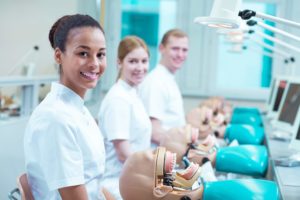
At Northwestern College, future dental assistants experience what it’s like to work side-by-side with a dentist, practicing skills like patient comfort, saliva control, and instrument transfer, so that when they graduate they’re ready to perform their roles smoothly, efficiently and comfortably. Dental Assistant students also study tooth restoration and hygiene techniques, and about using and caring for complex equipment.

Students also learn to greet patients, introduce them to the office and prepare them for their care.​ While studying at Northwestern College, ​future dental assistants also receive instruction on human anatomy. Coursework includes study of the structure of the head and neck of the various bones, muscles and nerves, as well as the circulatory system. Dental Assistants will come away knowing specific terms used when discussing general anatomy and physiology of the human body, particularly as it relates to dentistry.

If you’re thinking about a career in the growing field of dental care, consider the advantages of an education with Northwestern College. ​Click here​ for more information on Northwestern College’s Dental Assistant programs.

The post Job Prospects Look Good for Dental Assistants appeared first on Northwestern College.


from
https://nc.edu/job-prospects-look-good-for-dental-assistants/?utm_source=rss&utm_medium=rss&utm_campaign=job-prospects-look-good-for-dental-assistants

Tuesday, 2 June 2020

2020 is the Year of the Nurse and Midwife

When the World Health Organization declared 2020 the Year of the Nurse and Midwife, no one knew we would be in the midst of a global pandemic.

Organizers were merely timing the celebration to coincide with the 200th anniversary of the birth of Florence Nightingale, considered the founder of the modern nursing profession.

Nightingale, whose name is now synonymous with compassionate caregiving, was actually as much teacher and advocate as she was healer.

She was an early innovator in the use of graphics to explain data – she favored variations of the pie chart – and as an educator, she trained fellow nurses, beginning with those who joined her during the Crimean War.

Many nursing schools bear her name. The most famous, the Florence Nightingale Faculty of Nursing, Midwifery & Palliative Care in King’s College London, founded in 1860, is reputed to be the world’s first nursing school continuously connected to a hospital medical school.

Technology has changed enormously since Nightingale began preparing young women to care for battlefield casualties. But the core values of compassionate, dependable, deliberative care remain the same.

For generations, nurses took the Nightingale Pledge, their own version of the Hippocratic oath, taken by physicians. The Nightingale Pledge included promises of loyal service and a commitment to what we now call patient confidentiality. It also contained the straightforward promise: I will do all in my power to maintain and elevate the standard of my profession.

In many ways, the training available at Northwestern College carries on the principles of professionalism established all those years ago, preparing women and men to serve society in pivotal roles in the healthcare industry.

We naturally take special pride knowing that 2020 is the Year of the Nurse and Midwife. And, think about it, even if no one had made an official decree, this would still be the Year of the Nurse because of their absolutely critical role in the battle against the novel coronavirus that causes COVID-19.

Even if we weren’t living through a pandemic, there would be more than enough reasons to declare this year – or any other year for that matter – as a Year of the Nurse. It is a profession that gives people a great deal of satisfaction and pride, and one that the rest of the world likes to celebrate.

Are you interested in becoming a nurse, midwife or other healthcare professional? Click here for more information on the medical programs offered at Northwestern College!

Click here to learn about our certificate, associate’s and bachelor’s degrees!


The post 2020 is the Year of the Nurse and Midwife appeared first on Northwestern College.


from
https://nc.edu/2020-is-the-year-of-the-nurse-and-midwife/?utm_source=rss&utm_medium=rss&utm_campaign=2020-is-the-year-of-the-nurse-and-midwife

Friday, 29 May 2020

In Nursing, the Learning Never Stops

The learning never stops for healthcare professionals. Whether it’s perfecting a new skill on the job or taking classes to meet continuing education requirements, healthcare workers are always expanding their knowledge.

That’s always true, but never more so than now.

Right now, everybody needs to understand some basics about the disease COVID-19 and the novel coronavirus that spreads it. People need to know how to identify symptoms, what to do if they are sick, and how to protect themselves and others from the spread of the virus.

That’s where the Centers for Disease Control and Prevention (CDC) come in. Established in 1946, the CDC is the country’s focal point for understanding and preventing the spread of disease.

During the pandemic, the CDC is the first place many news organizations, health administrators, and everyday people turn for health information. The CDC website, cdc.gov, features the coronavirus on its homepage.

The easily navigable page offers answers to frequently asked questions in two main sections: “How to Protect Yourself” and “What to do if you are Sick.” There is an overall briefing on the pandemic, along with helpful information about symptoms, testing, prevention and coping with social-isolation guidelines. It’s worth anybody’s time.

Here’s the best part for people  interested in health careers: The CDC launched a separate education page specifically designed to give nurses and other professionals guidance about the coronavirus.

For nurses and healthcare professionals, there are detailed articles on the various kinds of respirators; ways to optimize limited supplies of personal protective equipment and specifics of infection control. There’s even a spreadsheet to keep track of how quickly an organization is using its supply of personal protective equipment like masks, gloves, gowns, and face shields.

Many of us will not be certified in time to make use of all of these tips. But whether we need them right now or not, staying abreast of the latest developments is a habit that has been serving health professionals very well for generations.

And it all starts with education. Are you interested in building the foundation of knowledge that launches a rewarding lifelong journey of learning? Click here for more information on the medical programs offered at Northwestern College!

The post In Nursing, the Learning Never Stops appeared first on Northwestern College.


from
https://nc.edu/in-nursing-the-learning-never-stops/?utm_source=rss&utm_medium=rss&utm_campaign=in-nursing-the-learning-never-stops

Wednesday, 6 May 2020

Timely Benefits for Nurses on National Nurses Week

It’s National Nurses Week from May 6 to May 12 – and it comes amid an outpouring of goodwill and appreciation toward the nation’s frontline healthcare providers.

The holiday could not have come at a more appropriate time – this year commemorates what would have been the 200th birthday of Florence Nightingale, a British statistician who oversaw training of nurses during the Crimean War and in doing so established the modern nursing profession. Recently, USA Today published this article that outlines the discounts and corporate offers that are currently available for nurses. It’s corporate America’s way of honoring a noble profession, nursing, which is the backbone of the modern medical system.

Of course, no one embarks on a healthcare career merely for discounts or recognition. But for those of us who help prepare the next generation of nurses and healthcare professionals, it’s nice to know that society at large appreciates what our students do and the role you play in a healthy society, especially, like now, in time of crisis.


Interested in playing that important role? Click here for more information on the medical programs offered at Northwestern College!

The post Timely Benefits for Nurses on National Nurses Week appeared first on Northwestern College.


from
https://nc.edu/timely-benefits-for-nurses-on-national-nurses-week/?utm_source=rss&utm_medium=rss&utm_campaign=timely-benefits-for-nurses-on-national-nurses-week

Saturday, 2 May 2020

Northwestern College Establishes Scholarship for New Students During COVID-19 Pandemic

The world is in a sort of “limbo”, with some under state mandated Stay at Home Orders, some working from home for the first time, and some who have lost their jobs. There is one thing in common:  we are all wondering what the future holds for us.

For those considering higher education and a new career, Northwestern College has launched a New Student Relief Assistance” Scholarship aimed at new students starting Summer 2020. This group is ineligible for the various emergency funds set out by the federal government for existing students whose educations were disrupted by the pandemic.

Special thanks to Ryan Lewis, Miryam Ortiz, and everyone else who had a hand in bringing this idea to life, including President Schumacher who first voiced the idea!


For more information about this scholarship for new students, take a look below!

Northwestern College establishes scholarship for new students during COVID-19 pandemic

The Patch – Palos Edition

https://patch.com/illinois/palos/classifieds/announcements/136545/northwestern-college-creates-special-new-student-scholarship

The post Northwestern College Establishes Scholarship for New Students During COVID-19 Pandemic appeared first on Northwestern College.


from
https://nc.edu/northwestern-college-establishes-scholarship-for-new-students-during-covid-19-pandemic/?utm_source=rss&utm_medium=rss&utm_campaign=northwestern-college-establishes-scholarship-for-new-students-during-covid-19-pandemic

Monday, 27 April 2020

Adapting to Virtual Learning Environments in Healthcare Education

We’re fortunate, in some regard. With the experience that we now have, can you imagine going through a global pandemic without the digital infrastructure that we have today?

 Over recent decades, telecom giants like Zoom and Skype have developed technology that allows us to meet face to face with entire groups, share screens, and even learn via digital environments. Healthcare education programs are no different. Armed with tools like webcams and 3D imaging, schools are able to provide the next-best-thing to hands-on training – something we might need to get used to.

While some higher education programs are well-suited, and prepared, for a challenge like quarantine, many career programs require hands-on training and in-person experience. On March 17, the Association of American Medical Colleges (AAMC) published a guide outlining best practices for safety in medical programs, strongly discouraging students and faculty from taking part in any direct patient contact. Overnight, schools were shifting curricula online and getting creative with substitutions for clinical exercises.

As we struggle to replace hands-on, interactive experience in education, most schools are able to float by on the shoulders of historical archives – a huge perk of our digital era. From internal lectures recorded over recent years to an entire world of readily available content on the internet, instructors and students alike are already equipped with all of the material (or access to) necessary to successfully make this transition.

By implementing a combination of modern technology and historical documentation, our country’s educational institutions have the tools necessary to make the transition to virtual learning environments – as bumpy as the road might be. Many schools have begun by rolling out the portion of curricula that is best suited for distance learning, often lectures and entry level courses, while formulating a strategy for replacing hands-on experience until it’s safe once again.

As we remain hopeful that normal studies return in the near future, we also must face the likely reality that parts of the education process, like many other facets of live, will simply never be the same. A strong silver lining exists in the collaboration and innovation bred by the adverse circumstance; we’re in this together and advancing at a rate we couldn’t have imagined just a few months ago.


Interested in a rewarding career in the field of Healthcare? Click here for more information on the medical programs offered at Northwestern College!

The post Adapting to Virtual Learning Environments in Healthcare Education appeared first on Northwestern College.


from
https://nc.edu/adapting-to-virtual-learning-environments-in-healthcare-education/?utm_source=rss&utm_medium=rss&utm_campaign=adapting-to-virtual-learning-environments-in-healthcare-education

Saturday, 7 March 2020

Life After High School: Important Higher Education Considerations

After graduating from high school, you may be interested in your higher education options. The good news is that there are a lot of options for traditional and non-traditional students. But first, it’s important to consider a couple of factors like the type of education you wish to pursue and the credentials of your program of interest. 

Type of Education

Career School 

Just as the name implies, career-oriented programs are designed to prepare you for a specific career. These diplomas can usually be obtained in less time than it takes to secure an associate’s or bachelor’s degree, meaning you can get in the field quicker. As such, these programs are best suited for students who have a specific vocation in mind. 

Certificate 

This type of training illustrates a specific skillset. While many certificates require you to successfully pass an exam, many also require previous education and training. Examples of common certifications include dental assisting, medical assisting, and coding. 

Associate’s Degree

Typically called a two-year degree, an associate’s degree can help students learn crucial skill sets that equip them for a career. And for students interested in a traditional four-year undergraduate program, these programs can get them off to a healthy start. 

Bachelor’s Degree

The bachelor’s degree is perhaps the most well-known degree. However, this doesn’t necessarily mean it is better for you. As a four-year program, this degree is a good entry point for many industries.

Credentials

Whether you’re pursuing an associate’s, bachelor’s or a vocational certificate, it’s important to ensure your program is accredited. Accreditation acts assurance that your hard work is likely to be recognized upon graduation. There are different types of accreditation available, such as regional and national, so be sure to determine what’s best for your goals after graduation.

Begin Your Higher Education Today

Whether you wish to pursue a career program, an associate’s or a bachelor’s degree, Northwestern College has something for you. 


Contact us today to learn about our certificate, associate’s and bachelor’s degrees!


The post Life After High School: Important Higher Education Considerations appeared first on Northwestern College.


from
https://nc.edu/life-after-high-school-important-higher-education-considerations/?utm_source=rss&utm_medium=rss&utm_campaign=life-after-high-school-important-higher-education-considerations

Sunday, 9 February 2020

Medical Assistant versus Registered Nurse: Which is Right for Me?

Maybe you’re heading to college right after graduating high school, or perhaps you’re a returning student. If you’ve already decided you want to go into healthcare – congratulations! This line of work can be a very rewarding career. 

Before you begin your schooling, though, it’s important to carefully consider your chosen area of study. To help, we’re going to compare medical assisting and nursing professions, giving you some things to evaluate as you make this important decision. 

Taking a Closer Look

Medical Assisting 

A medical assisting certificate can prepare students to work with patients in both a clinical and administrative capacity. 

Job Functions

Hospitals, offices of physicians and outpatient treatment centers are the most common employers of medical assistants. Regardless of where you choose to work, there are two primary job functions in the field of medical assisting: administrative and clinical work.

Administrative tasks often include patient scheduling and medical record upkeep/data entry. On the other end of the spectrum, clinical responsibilities can include anything from taking vital signs and helping physicians with exams to preparing lab samples for testing. The Bureau of Labor Statistics also reported that, in some states, medical assistants can administer shots and medication. 

Earning Potential & Outlook

Like many healthcare jobs, the industry is expected to see above-average growth over the next decade. As such, the BLS projects a 29% increase in the employment of medical assistants over the next 10 years. For context, that is 17% more than the field of registered nursing. 

As for earnings, the BLS reported that these professionals earned an average income of over $33,000 in 2018. Some medical assistants working at outpatient centers even reported annual earnings upward of $36,000. 

Education

There are no formal education requirements for becoming a medical assistant, but obtaining a postsecondary certificate may make you a more competitive candidate. Plus, you will get a head start on learning the needed skill set.

If you choose to pursue a postsecondary certificate, programs can range from 1-2 years time. 

Registered Nursing 

Job Functions

Unlike medical assisting, nursing is mostly comprised of clinical responsibilities. Below is a look at routine job functions:

  • Administering patient medication and treatment
  • Helping perform diagnostic testing
  • Providing education about post-discharge/at-home care
  • Recording patient medical histories and on-site symptoms

Outside of providing medical care, registered nurses often provide patients with the emotional support they need during their visit. While this can be challenging, it can also be very rewarding. 

Earning Potential & Outlook

Earning about $30,000 more than the average occupational income, the Bureau of Labor Statistics (BLS) reported that RNs earned a median income of $71,730 in 2018. The industry is also expected to see a 12% employment increase by 2028. 

Education

To become a registered nurse, you will need one of the below: 

  • Bachelor of Science degree in nursing (BSN)
  • Associate’s degree in nursing (ADN)
  • A diploma from an approved nursing program

Upon the completion of a program, all registered nurses must be licensed.

Begin a Career in Healthcare

When it comes to choosing between registered nursing and medical assisting, it really comes down to your individual needs. Good news! No matter which path you choose, Northwestern College has you covered. Learn more now!

The post Medical Assistant versus Registered Nurse: Which is Right for Me? appeared first on Northwestern College.


from
https://nc.edu/medical-assistant-versus-registered-nurse-which-is-right-for-me/

Tuesday, 26 November 2019

Highest Paying Nursing Jobs

The nursing field has drastically changed the last few decades. Today, nurses have earning opportunities that rank amongst other high-paying healthcare jobs. With the proper education and training, you can become a top-earning nurse.

Below is a look at a few high-paying nursing jobs.

Top Earners

The below figures were sourced from PayScale in November 2019.

Nursing Jobs That Pay $100,000+

On average, the below jobs have a salary of over $100,000.

  • Certified Registered Nurse Anesthetist (CRNA) – $147,603
  • Mental Health/Psychiatric Nurse Practitioner – $103,526
  • Certified Nurse Midwife – $102,390
  • Orthopedic Nurse – $100,035

Nursing Jobs That Pay $60,000+

On average, these jobs pay a salary of over $60,000 annually.

  • Gerontological (Geriatric) Nurse Practitioner – $95,000
  • General Nurse Practitioner – $93,495
  • Informatics Nurse – $77,712

The Registered Nurse (RN)’s Earning Potential

Whether or not you choose to pursue additional schooling or certification to become a top earner, the Bureau of Labor Statistics reported that RNs earned a median income of $71,730 in 2018. This is about $30,000 more than the average occupational income.

Get Started

Prepare for a career as a Registered Nurse (RN) with an Associate in Applied Science Degree in Nursing from Northwestern College. Regardless of if you specialize or jump right into the nursing job of your dreams, this degree you will provide a great starting point for your career.

Click now to learn more!


The post Highest Paying Nursing Jobs appeared first on Northwestern College.


from
https://nc.edu/highest-paying-nursing-jobs/

How to Become an X-Ray Tech

Healthcare

Radiology, which harnesses medical imaging to diagnose and treat diseases, is one of the medical industry’s most exciting fields of study. Tapping into interpersonal communication skills, patient care techniques, and technical expertise, allows x-ray technologists to experience the best elements of the industry..

Three Simple Steps to Become an X-Ray Tech


Seek Training

The first step to becoming an x-ray tech is proper training. Whether you pursue an associate or bachelor’s degree, it is important that you choose an accredited program.

Typically programs focus on diagnostic imaging basics, also teaching you how to act as a liaison between patients and physicians. As such, most programs are made up of didactic, laboratory, and clinical instruction, which gives students comprehensive training.

Secure Licensure & Certification

While most states require licensure, requirements will vary. To obtain your national certification with the American Registry of Radiologic Technologists (ARRT), you’ll need to be proficient in anatomy and positioning, patient care, radiation protection, radiation physics, digital imaging critique and evaluation, medical terminology, medical ethics, radiobiology, pathology, registry review and professional development.

Specialize

With specialized training, you may continue to advance your career in medical imaging.  Training in mammography, radiation therapy, computerized tomography, magnetic resonance imaging, or cardiac and vascular imaging, are just to name a few.

Take the First Step

Northwestern College’s Associate of Applied Science degree in Radiologic Technology is accredited by the Joint Review Committee on Education in Radiologic Technology.

Click now to learn more!


The post How to Become an X-Ray Tech appeared first on Northwestern College.


from
https://nc.edu/how-to-become-an-x-ray-tech/

Wednesday, 13 November 2019

How to Become a Dental Assistant

Did you know that you can become a dental assistant in a matter of months? The key to a speedy success is taking the right steps. To help you become a dental assistant, we’ve mapped out the course you need to follow.

Two Simple Steps


Select an Accredited Program

With 270+ accredited dental assisting programs to choose from, you’re sure to find a school that suits your needs. Available at most community colleges, vocational schools and universities, you can study dental assisting nearly anywhere. There are sometimes even standalone dental schools.

On average, dental assisting programs usually take 9-11 months. Over this relatively short duration, students learn a lot of information. From dental technology and diagnostic procedures to subjects like dental health maintenance, infection control and bedside manner, the end result is a comprehensive education in dental assisting.


Get Certified

Upon graduation, many students opt to take the Registered Dental Assisting (RDA) certification exam offered by American Medical Technologists (AMT). The RDA (AMT) certification is designed to signify entry-level competence in basic dental assisting competencies. Another popular option is the Certified Dental Assistant exam offered through the Dental Assisting National Board.

State certification requirements for dental assisting professionals vary. Additional certifications are also available for students who wish to specialize. Examples include certification in Orthodontic Dental Assistant, Preventive Functions Dental Assistant and Restorative Functions Dental Assistant.

Learn More

Northwestern College’s Dental Assisting certificate program provides students with a strong foundation in dental assisting.


Click now for more info!

The post How to Become a Dental Assistant appeared first on Northwestern College.


from
https://nc.edu/how-to-become-a-dental-assistant/

Wednesday, 6 November 2019

Are Medical Coders in Demand?

You review patient medical records, assigning the proper medical codes to their corresponding medical treatment, diagnosis and more. The data you code is used to determine everything from billing to population health statistics. Most importantly, your work directly affects patient care.

You’re a medical coder and it’s 2019. Your skills are very much in demand.

Job Outlook

In 2018, 215,500 professionals were amongst those proud to work in this growing line of work. As the authority on labor outlook, the Bureau of Labor Statistics projects that the Medical Records and Health Information Technician industry will grow approximately 11% between 2018 and 2028.

Comprising this 11% of medical records and health information technicians are medical coders who are the lifeblood of the healthcare industry. The good news? This 11% increase is much higher than the national occupational average. And by 2028, 22,500 more are expected to join this burgeoning line of work.

Employers

As the older population requires more medical care and the healthcare landscape becomes increasingly regulated, all corners of the healthcare industry continue to employ medical coders. While hospitals and doctors’ offices are the largest employers, nursing care facilities, surgery centers and more require the expertise of these professionals. In some instances, there are even opportunities to work for healthcare players who need medical coding auditors or practice managers.

How to Get Started

Ready to become a medical coder? To work as a medical coder you have to pass the Certified Coding Specialist exam and secure certification from the American Health Information Management Association (AHIMA).

With the proper training, you’ll be exam-ready in no time. The Health informatics training at Northwestern College meets the core values as identified by AHIMA.

Learn more today!

The post Are Medical Coders in Demand? appeared first on Northwestern College.


from
https://nc.edu/are-medical-coders-in-demand/

Friday, 18 October 2019

How to Become a Registered Nurse

Whether you’re an LPN looking to advance your career or this is entry into healthcare, becoming a registered nurse (RN) is easy. The key to success is knowing the right steps to take before you ever even enroll.


4 Easy Steps to Becoming an RN

        1.  Complete an Accredited Program

Once you’ve decided to become an RN, you’ll need to apply to an accredited nursing program.  At this point, you’ll choose between an associate or bachelor’s degree program. Both options are sufficient. As such, the most important step is assessing your situation and determining which path best aligns with your needs.

For instance, if you’re looking to expedite your education, an associate may be best. It can usually be completed in two years, getting you workplace ready in no time. A bachelor’s degree, on the other hand, is longer. It can lead to a higher-paying salary in the workforce, so weigh your options accordingly.

        2.  Pass Your Exam

After graduating from an accredited nursing program, there’s another important step ahead of you. The NCLEX-RN examination is required by the National Council of State Boards of Nursing.  With just over a hundred questions and a pass rate of about 75%, most nurses have no trouble achieving this milestone.

        3.  Obtain a License

After passing the NCLEX-RN, students must contact the state they wish to practice nursing in to secure their license. Licensure requirements vary state to state. And in many cases, fingerprinting and background checks are part of the process.

        4.  Seek Employment

With the growing demand for registered nurses, new graduates often have abundant employment opportunities. Better, many nursing programs work with graduates to guide them through their employment search, providing additional support.

        5.  The Work is Never Done

While you can become an RN in four easy steps – the work is never really done. The reason? Learning doesn’t stop after graduation. In addition to the many skills you’ll learn at your new job, RNs are required to fulfill continuing education requirements.

A Nursing Student Today, an RN Tomorrow

Northwestern College offers an Associate in Applied Science Degree in Nursing. Approved by the Illinois Department of Professional Regulation Division of Professional Regulation Illinois State Board of Nursing, NC sets Nursing students up for success.


Learn more today!


The post How to Become a Registered Nurse appeared first on Northwestern College.


from
https://nc.edu/how-to-become-a-registered-nurse/

Why Become a Dental Assistant?

Dental Assistant

Wondering if dental assisting is right for you? Tune in to learn a few of the reasons dental assistants love what they do.

3 Reasons to Become a Dental Assistant

Flexible Schedule

Many jobs in the healthcare industry require shift work that sometimes falls on holidays, over weekends or evening hours. But don’t let that deter you! Dental assistants typically keep normal business hours, giving these professionals the freedom to enjoy time with friends and family.

Not wanting something full-time? There are often part-time positions available for dental assistants. Whether you’re full- or part-time, dental assisting allows you to maintain a flexible work schedule.

Variety

Unlike many nine-to-five jobs, dental assisting offers great variety. Within the field, there are opportunities to work in specialized areas that span everything from orthodontics and oral surgery and cosmetic dentistry. Periodontics and pediatric dentistry are other specialty areas. Adding even more diversity are the various employers. Hospital clinics, traditional dental practices and public health dental offices are just a few common employers. With all of this in mind, dental assistants have the opportunity to work in many exciting environments.

Relationships

No matter where a dental assistant works, their role is solely patient facing. In many cases, these professionals work with a diverse population that spans many generations, cultures and backgrounds. As such, client interaction is one of the most rewarding aspects of this work. Some dental assistants go on to forge lifelong relationships with the patients they care for.

Become a Dental Assistant Today

If this sounds like a good fit for you, learn more about Northwestern College’s Dental Assisting Program.


Speak with an expert today!

The post Why Become a Dental Assistant? appeared first on Northwestern College.


from
https://nc.edu/why-become-a-dental-assistant/

Friday, 11 October 2019

How much do medical assistants make?


Want to earn a living while making a difference? Working as a Medical Assistant allows professionals to make money and an impact in the healthcare industry.


A Look at the Numbers

In May 2018, the Bureau of Labor Statistics reported that Medical Assistants earned an average salary of $33,610, While this equates to an average of $16.16/hour, earning potential varies by industry.

For instance, on average, those working in outpatient care centers and hospitals had the highest salaries. Salary averages at outpatient care centers and hospitals were $35,600 and $34,980, respectively. Physician offices followed suit at an average income of $33,650.

Earning Potential

The same report found that Medical Assistants categorized as top earners made more than $47,250. This puts their salaries at $8,610+ more than the national occupational average.

Other Benefits

Between 2018-2028, the field of medical assisting is expected to grow 23% faster than the national average. In addition to creating job security, this growth spurt may create more earning opportunities for existing professionals in this field.

Become a Medical Assistant

A Medical Assistant certificate from Northwestern College can give you the tools you need to start your career.


Call today to learn more about our program.

The post How much do medical assistants make? appeared first on Northwestern College.


from
https://nc.edu/how-much-do-medical-assistants-make/

Tuesday, 24 September 2019

Is Medical Coding School Worth It?

Nursing program


Medical coding school is one of the many fields within the burgeoning healthcare industry. So, is it worth it? We’re not going to answer that question for you, but we will provide you with some information, allowing you to decide for yourself. 

What It’s All About

Unlike other programs, medical coding school has a very defined scope. As such, programs often focus on industry-standard coursework. 

Coursework

At its core, medical coding courses focus on medical terminology, anatomy and physiology, and pathophysiology. Students also learn how to become compliant with medical law and ethical standards as set out by national health service organizations. Additionally, coursework is designed to help students become proficient in the CPT coding system and understand the ICD-10-CM and HCPCS Level II coding systems.

Applying Skills

You take the coursework and learn the material. For what? This is the exciting part. Acting as a gatekeeper of sensitive health data, you will be prepared to review patient records and assign numeric codes for each diagnosis and procedure, document health information with accuracy and integrity. In today’s healthcare industry, this opens doors in a variety of work environments, such as physician offices, hospitals, and insurance companies. 

Earn a Living

Once you graduate, you’re close to the finish line. All that’s left is proving your proficiency by taking the Certified Coding Specialist exam. With this certification, you’re free to work as a medical coder. More, a 2018 survey conducted by the AAPC reported that certified medical coders earned an average salary of $54,401.

Start Your Career

If you want to leverage your technical skills to make a difference in the healthcare industry, medical coding school is worth it. Northwestern College’s certificate program is designed to work around the schedules of traditional and working or returning students. Depending on your timeline, you can earn your medical coding certificate in no time. 


To learn more, call (888) 205-2283.

The post Is Medical Coding School Worth It? appeared first on Northwestern College.


from
https://nc.edu/is-medical-coding-school-worth-it/

Thursday, 19 September 2019

Northwestern College held Pinning Ceremony for September 2019 Nursing Graduates


Check out these articles written about Northwestern College’s Violet L. Schumacher School of Nursing’s pinning ceremony on September  7th. To learn more about Northwestern’s Nursing program, you can visit the Nursing program page.

Career Education Review


The Patch – Palos Edition


The post Northwestern College held Pinning Ceremony for September 2019 Nursing Graduates appeared first on Northwestern College.


from
https://nc.edu/northwestern-college-held-pinning-ceremony-for-september-2019-nursing-graduates/